English
  Tiếng Việt
Can Dental Implants Be Rejected? 4 Warning Signs to Know
Dental implants are a modern tooth restoration solution with a high success rate, but concerns about implant rejection still make many people hesitant to undergo treatment. So can dental implants actually be rejected, and what signs indicate that the body is not accepting the implant? In this article, The East Rose Dental will explain everything in detail to help you better understand the causes and prevention methods for long-lasting implant success.
Can Dental Implants Be Rejected?
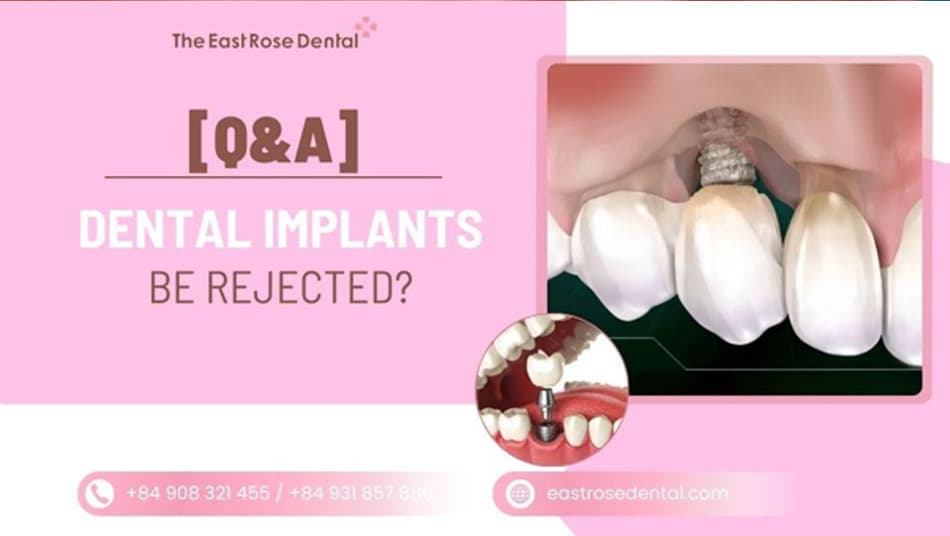
Many patients feel worried before getting dental implants because they fear possible complications. However, dental implants are not easily rejected by the body. In fact, this is considered one of the most successful tooth restoration methods in modern dentistry, with success rates reaching over 95-98%. Implant rejection only occurs in a small number of special cases and can usually be controlled when the procedure is performed correctly.
The reason implants can remain stable inside the body is due to a process called osseointegration. Implant posts are typically made from pure titanium, a material with excellent biocompatibility that does not corrode or irritate surrounding tissues.
Once placed into the jawbone, instead of treating the implant as a “foreign object,” the body begins forming new bone cells that gradually attach tightly around the implant surface. After a certain healing period, the implant and jawbone fully integrate into one stable structure.
At that stage, the implant functions like a real tooth root, providing strong support for the prosthetic crown above, restoring natural chewing ability, and helping prevent jawbone loss effectively.
5 Common Causes of Dental Implant Rejection
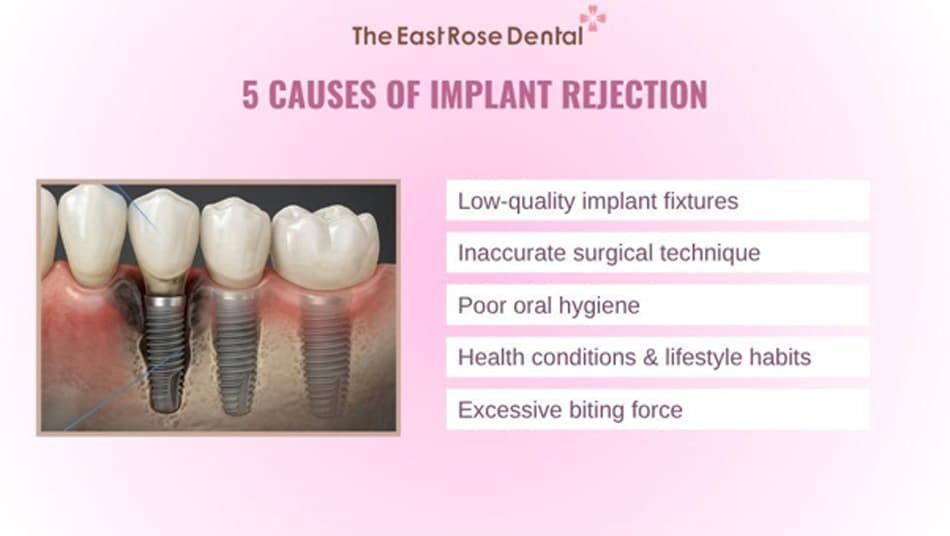
Although the rejection rate of dental implants today is very low thanks to advances in medical technology, this risk can still occur due to various factors. Below are the most common causes of implant failure.
Poor-quality implant systems
One of the leading causes of failure is the use of low-quality implants with unclear origins or contaminated materials. These implants often lack the purity required for proper osseointegration, preventing bone cells from attaching effectively to the titanium surface. As a result, the body may recognize the implant as a foreign object and trigger a defensive reaction, leading to implant loosening and infection.
Inaccurate surgical technique
The dentist’s skill plays a decisive role in implant success. If the implant is placed at the wrong angle, incorrect position, or with excessive force that damages the jawbone structure, the integration process may be disrupted. In addition, poor evaluation of bone density may leave the implant without sufficient support, increasing the risk of rejection shortly after placement.
Read more: Best dental implant clinics?
Poor oral hygiene causing infection
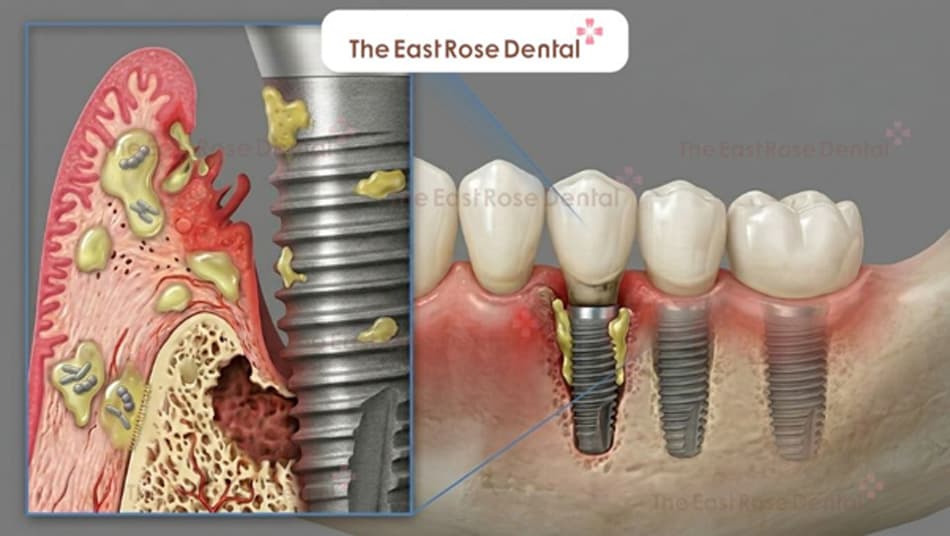
After surgery, the implant area is highly sensitive and requires careful care. If oral hygiene is neglected, bacteria can quickly accumulate around the implant neck and cause peri-implant inflammation. If not treated promptly, the infection may spread deeper, destroy the bond between bone and implant, and eventually require implant removal.
Patient health conditions and lifestyle habits
Patients with uncontrolled diabetes or low bone density often experience slower healing. Smoking is considered one of the biggest risk factors for implant failure. Harmful chemicals in tobacco reduce blood circulation and oxygen supply to the gums and bone tissue, interfering with the osseointegration process and significantly increasing the risk of rejection.
Excessive bite force too soon after surgery
Osseointegration requires time to stabilize, usually over several months. If patients chew hard foods too early or place excessive pressure directly on the implant area, the implant may shift slightly. Even minimal movement during this critical healing stage can prevent bone cells from attaching properly, causing the implant to loosen and eventually fail.
Signs That the Body Is Not Accepting a Dental Implant
Implant rejection is a serious dental complication that requires immediate treatment to protect oral health. Below are some common warning signs that may indicate implant rejection and require prompt professional attention.
Loose implant and loss of stability
One of the clearest signs of implant failure is mobility. Instead of remaining firmly integrated like a natural tooth root, the implant may feel loose during chewing or when touched by the tongue. This usually indicates that the connection between the jawbone and the titanium surface has failed, possibly due to unsuccessful osseointegration or infection around the implant.
Implant exposure or visible implant threads
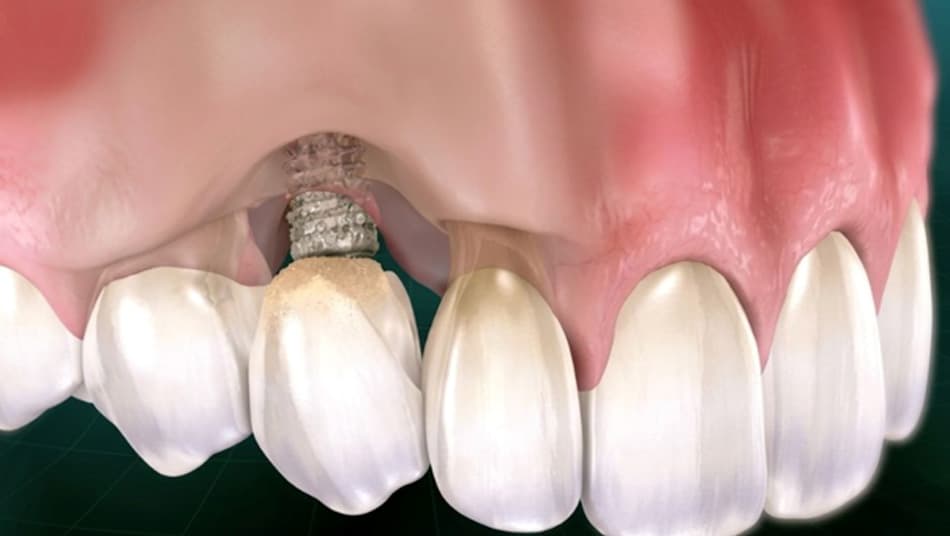
Another concerning sign is when the implant begins to appear longer or the metal threads become visible above the gumline. This often results from bone loss around the implant site, causing the implant to lose proper support. Incorrect implant positioning may also contribute to this issue. If the implant appears unusually exposed, immediate dental evaluation is recommended.
Persistent swelling and prolonged pain
Inflammation is an important warning signal from the body, but the recovery timeline matters:
- Normal response: Mild swelling and discomfort during the first 5-7 days after surgery are considered normal as the body adapts to the implant.
- Warning sign: Severe pain, prolonged swelling, or redness lasting more than two weeks may indicate uncontrolled infection and possible implant rejection. In these cases, immediate dental treatment is necessary to prevent deeper complications affecting the jawbone.
Pus or fluid discharge around the implant
If pus or fluid develops around the implant area, this may indicate a severe inflammatory response and infection. This condition is often accompanied by unpleasant odor and throbbing pain.
The presence of pus suggests that the infection has progressed significantly and may directly threaten implant stability, requiring immediate cleaning or possible implant removal.
What to Do If Signs of Implant Rejection Appear
Although implant rejection is rare, once it occurs, it is considered a dental emergency. Below is the recommended treatment process you should follow.
Step 1: Contact an implant specialist immediately
As soon as you notice signs such as implant mobility, swelling, or pus discharge, you should never try to move the implant yourself or self-medicate at home. Contact the dental clinic where the implant was placed as soon as possible for an urgent examination.
The dentist will typically perform X-rays or a Cone Beam CT scan to evaluate bone loss and determine the exact cause of implant rejection.
Step 2: Implant removal if necessary
If examinations show that the implant can no longer integrate properly or if the infection is too severe, the dentist may recommend implant removal.
This procedure is performed carefully to eliminate the source of inflammation and thoroughly clean the infected area inside the jawbone. Early implant removal helps prevent further bone loss and improves future treatment possibilities.
Step 3: Treat infection and restore jawbone structure
After implant removal, treatment will focus on controlling infection and healing the surrounding gum tissue.
If significant bone loss has occurred, bone grafting or sinus lift procedures may be necessary to rebuild the lost bone structure. This stage is essential for creating a stable foundation for future implant placement.
Step 4: Healing monitoring and planning for re-implantation
The body usually needs approximately 3–6 months for the jawbone and surrounding tissues to heal completely.
Once the bone condition becomes stable again, the dentist will recommend a more suitable implant system or adjust the surgical technique to improve the success rate for the second implant procedure.
Note: Early detection during Step 1 plays a critical role in preserving jawbone structure and making future implant restoration easier and less complicated.
4 Common Questions About Dental Implant Rejection
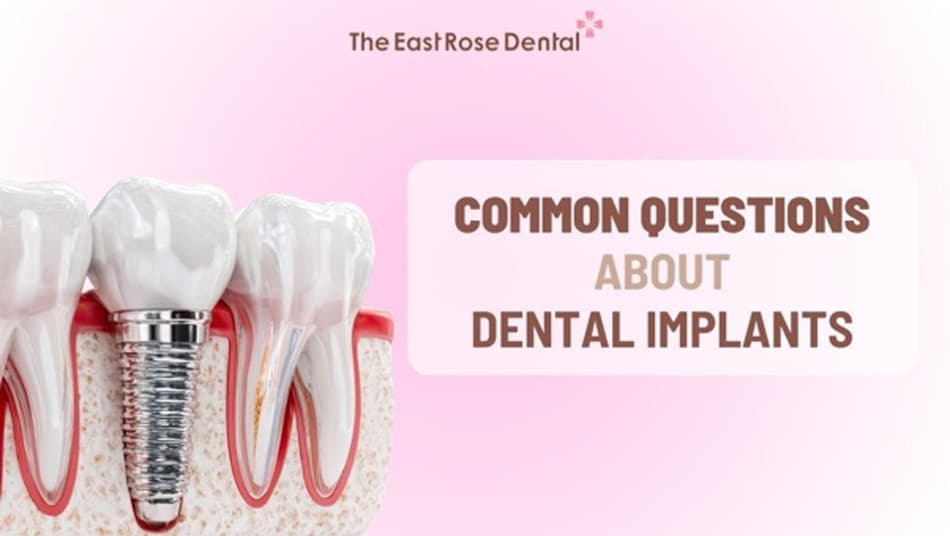
Besides concerns about implant rejection signs, many patients also have questions regarding treatment solutions and long-term outcomes. Below are detailed answers to the most common concerns.
1 - Can a dental implant be replaced if it is rejected?
YES, it can be replaced. After removing the failed implant and fully treating the infection, the dentist will reassess jawbone density. If the bone condition is suitable, a new implant can be placed. However, patients usually need to wait approximately 3-6 months for complete bone healing before undergoing a second implant procedure.
2 - What should I do if the implant suddenly falls out?
If the implant falls out, keep the implant if possible and visit your dentist immediately. This is considered a dental emergency indicating complete implant failure.
You should never attempt to place the implant back into the socket or self-treat at home because doing so may significantly increase the risk of infection and jawbone damage.
3 - Can implant rejection happen after 5-10 years?
Yes. This condition is known as late implant failure. In most cases, the cause is not because the body suddenly stops accepting the implant, but rather due to long-term peri-implant inflammation, age-related bone loss, or newly developed systemic diseases.
That is why proper oral hygiene and regular professional cleanings are extremely important for maintaining implant stability over time.
4 - What happens if one implant fails in an All-on-4 or All-on-6 case?
This situation is more complex. The dentist must evaluate whether the remaining implants are still capable of supporting the full-arch prosthesis.
If the failed implant is located in a major load-bearing area, it will usually need to be removed, the bone condition treated, and a new implant placed to maintain the long-term durability of the entire restoration.
Dental implant treatment is a journey that requires both time and commitment. Although the risk of implant rejection still exists, it can be effectively controlled and minimized when you choose a trusted dental clinic and follow proper aftercare instructions.
If you notice any unusual symptoms after implant placement or are looking for a safe and long-lasting tooth restoration solution, contact The East Rose Dental today. With an experienced team of implant specialists and advanced technology, we are committed to providing international-standard implant treatment to help you achieve a strong and lasting smile.
Services
Working Time
- Monday - Friday: 08:00 - 19:00
- Saturday: 08:00 - 18:00
- Sunday closed
Contact Info
- Hotline 1: 1900 585 874
- Hotline 2: (+84)838 258 778
- Mobile: (+84)908 321 455
- Phone: (+84)2 838 258 778
- info@dentalrose.net
- rosedentalclinicvn@gmail.com